sterile-injectable-development
Is cold chain dependency draining your sterile injectable program? Learn how early-stage formulation can drastically cut risks and costs, from aggregation to degradation. Discover strategies to accelerate your IND filing.
Menu
Is Cold Chain Dependency Costing Your Sterile Injectable Program More Than Money?
The High-Stakes Reality of Formulation Bottlenecks
A Data-Driven Action Plan for Formulation Success
Quick Facts: The Formulation Impact
Move Forward with Confidence
Is Cold Chain Dependency Costing Your Sterile Injectable Program More Than Money?
What if the cost of cold chain failures, an estimated $35 billion annually for the biopharma industry, could be drastically reduced, not by better refrigeration, but by better formulation from day one? As a Director of CMC, you weigh every decision against the IND submission clock[1]. A formulation that needs constant cold chain isn't just a tough logistical problem; it's a big financial and regulatory risk built right into your product.
The High-Stakes Reality of Formulation Bottlenecks
You've carefully guided your biologic from discovery to preclinical. Now, things get even more intense. Getting to a successful IND filing often hits snags, many starting with the formulation itself. Your team is probably dealing with these common but crucial challenges:
Protein Aggregation: Protein aggregation, a main reason for stability failure and a known trigger for the immune system to react, can put patient safety and the future of a treatment at risk. Even small temperature changes during shipping can cause aggregates to form, ruining a batch and leading to expensive delays[2, 3, 5].
Viscosity at High Concentrations: For biologics given under the skin, like monoclonal antibodies, high viscosity can make them hard to administer and negatively affect how patients feel – which is super important for selling the product[4, 5].
Degradation Pathways: Biologics are delicate molecules, easily breaking down from things like pH changes, oxidation, and physical stress. Every failed stability test can push your program back months, making your already tight CMC timeline even tighter[6, 7, 8].
Cold-Chain Dependency: Many biologics, especially newer ones like viral vectors and mRNA vaccines, need to be stored at super cold temperatures, sometimes as low as -70°C. Relying on a perfect, pricey cold chain adds risk at every stage, from making the product to getting it to patients[9]. Mistakes in temperature-controlled shipping happen often, with almost half of shippers reporting several temperature excursions yearly[10, 11, 12].
These formulation challenges aren't just science problems; they're business problems that hit development costs, regulatory timelines, and getting ready for the market directly[1].
A Data-Driven Action Plan for Formulation Success
Instead of just reacting when stability fails, you can design a strong, scalable, and commercially ready sterile injectable right from the beginning. This means moving away from old-school, trial-and-error screening to a systematic, predictive method based on Quality by Design (QbD) principles.
1. Predict Developability and De-Risk Your Candidate Early
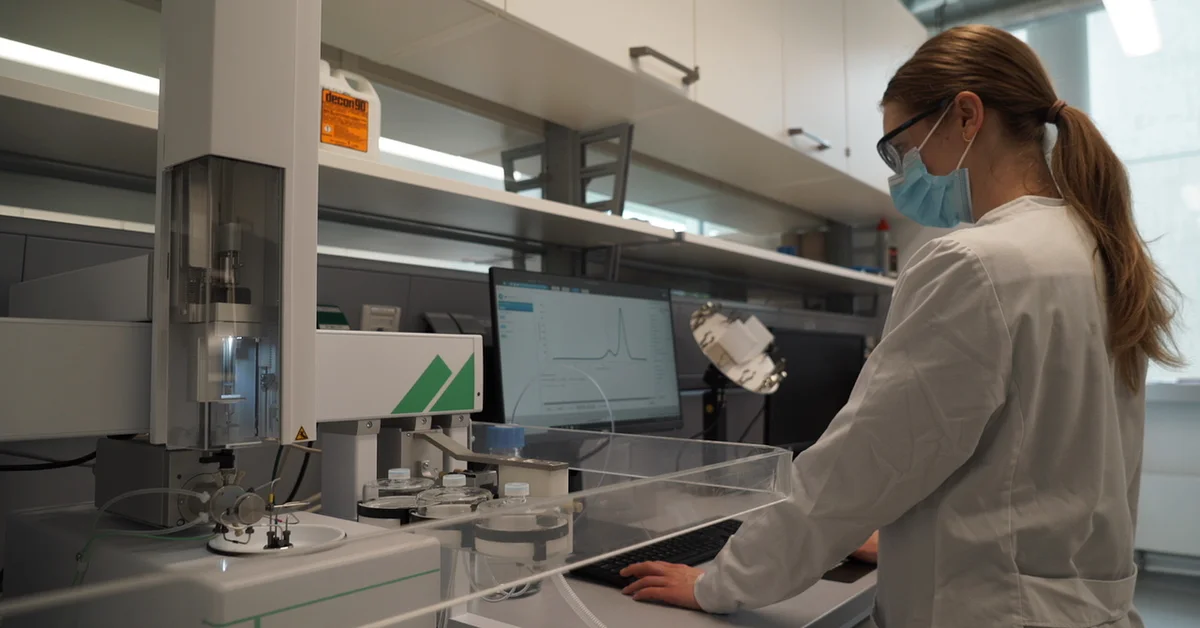
The best way to save time and money is to find and fix formulation problems before they get big[13, 14, 15]. Using an AI-based developability assessment for biologics helps you check for issues and predict the best formulation conditions using very little material. By modeling how your molecule acts in different buffers and with various excipients, you can spot how it might break down and figure out stabilization strategies using computers[16, 17, 18]. After switching to predictive stability modeling, something that used to take 3 months of trial-and-error screening can now be done in just a few weeks. Getting all this data upfront creates a strong base for your whole CMC program.
2. Engineer for Room-Temperature Stability with Advanced Formulation
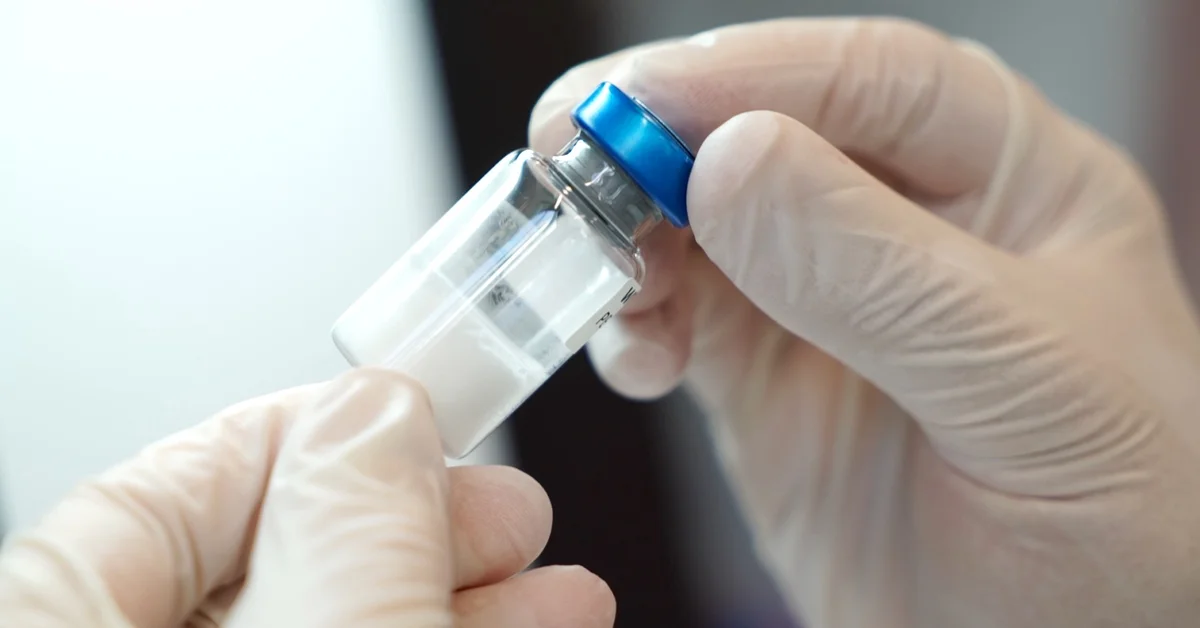
Getting rid of or reducing the need for a cold chain is one of the biggest ways to add value in developing sterile injectables. Lyophilization, or freeze-drying, is a tried-and-true method to make stable, solid formulations that last longer and can handle room temperatures. Around 50% of biologics sold today use lyophilization for this very reason[9]. A well-designed lyophilization cycle development and optimization service can turn a delicate liquid biologic into a tough powder, making global distribution easier and cutting down on shipping risks. For example, one team got their main AAV candidate to be stable at room temperature, dramatically cutting future shipping and storage costs after using an advanced lyophilization development program[22].
3. Deliver a Scalable, IND-Ready Data Package
You're not just aiming for a stable formulation; you also need a complete data package that stands up to regulatory review and makes tech transfer smooth. A smart biopharmaceutical contract development partner should give you more than just data; they should deliver a clear, solid CMC story[23, 24, 25]. By combining an excipient optimization platform with strict Design of Experiments (DoE) principles for biologics development, you create a strong dataset that clearly defines your design space. This makes sure your formulation is not only stable but also something you can actually make and scale up, passing IND submission requirements on the first try and avoiding expensive reformulation delays[26].
Quick Facts: The Formulation Impact
Financial Risk: The biopharma industry loses an estimated $35 billion annually due to failures in temperature-controlled logistics.
Stability Challenge: Approximately 50% of biologic drugs on the market require lyophilization to ensure adequate shelf life and stability[1].
Development Hurdle: Up to 90% of drug candidates in the development pipeline are poorly soluble, creating significant formulation challenges[9].
Immunogenicity Risk: Protein aggregation is a leading cause of instability and has been identified as a factor that can increase the risk of an immunogenic response[17, 2, 3, 5].
Move Forward with Confidence
Your sterile injectable program is under huge pressure from timelines, budgets, and regulatory demands. The formulation choices you make now will directly affect how well it does. By taking a predictive, data-first approach, you can lower risks, manage costs, and speed up your journey to the clinic.
Want to speed up CMC, reduce risk, and move forward with confidence? Schedule a strategy call with our formulation experts.
Accelerate Your CMC
IND-ready · De-risked · Scale-tested · Room-temp optimized · No guesswork