freeze-thaw-stability-studies-for-biologics
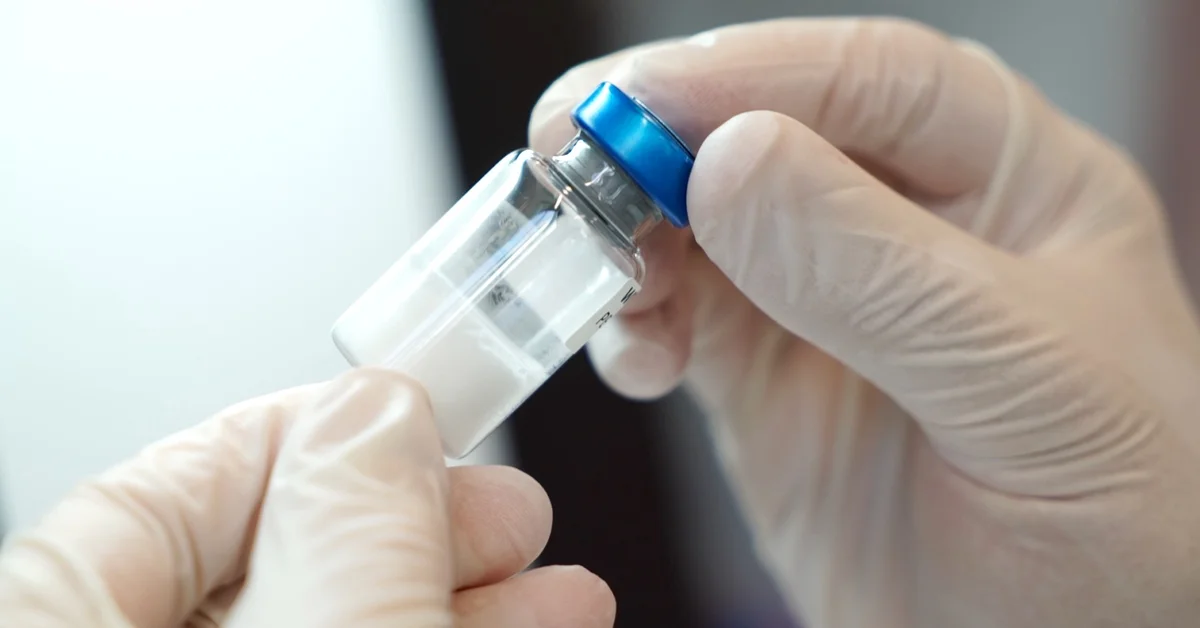
What if repeated freeze-thaw stress threatens your biologic's stability and IND timeline? Failed cycles lead to costly delays and reformulation. Discover how predictive studies can de-risk your program.
Menu
Beyond the Cold Chain: De-Risking Your Biologic with Predictive Freeze-Thaw Stability Studies
Quick Facts: The Challenge of Biologic Stability
The High Cost of a Failed Cycle
An Action Plan for Predictive, Data-Driven Stability
Beyond the Cold Chain: De-Risking Your Biologic with Predictive Freeze-Thaw Stability Studies
What if the greatest risk to your IND timeline is not the molecule itself, but the repeated stress of freezing and thawing it? For biologics, the journey from drug substance to drug product is fraught with hazards, and conventional freeze-thaw stability studies often feel like a reactive measure, a test you hope to pass rather than a process you control. Every failed cycle costs precious time and material, pushing back timelines and adding unforeseen expenses.
The High Cost of a Failed Cycle
You have invested months, or even years, optimizing a promising biologic. The mechanism of action is sound, and early data is strong. Now, as you prepare the CMC package for an IND submission, you face the critical step of ensuring its stability. Standard protocol calls for subjecting your material to multiple freeze-thaw cycles, mimicking the temperature excursions it might face during manufacturing, storage, and shipping.
The pain is familiar to any CMC leader: a promising formulation unexpectedly fails. Aggregates appear, potency drops, and sub-visible particles emerge. Suddenly, your program is stalled [3, 5, 7]. A single failed study can set your timeline back by three to six months, forcing a costly reformulation effort while the pressure from your board intensifies. This is more than a scientific setback; it's a direct threat to your clinical and commercial goals.
The problem is that freeze-thaw stress is a complex, multifactorial problem. It's not just the temperature change; it's the formation of ice-water interfaces that denature proteins, pH shifts from buffer crystallization, and cryoconcentration that pushes your molecule to its limits. Traditional screening, which relies on a limited set of standard excipients, is often a game of chance, ill-equipped to predict and neutralize these distinct degradation pathways [3, 5, 7]. This is particularly true for novel modalities like viral vectors or bispecific antibodies, which have unique sensitivities that off-the-shelf solutions cannot address [7].
Quick Facts: The Challenge of Biologic Stability
Financial Impact: Failures in temperature-controlled logistics cost the biopharma industry an estimated $35 billion annually from product loss and replacement.
Regulatory Scrutiny: ICH Q5C guidelines mandate robust stability data, including freeze-thaw studies, as a core component of regulatory submissions [16, 8, 9].
Root Cause of Failure: Physical degradation, such as aggregation, is a primary failure mode for biologics, often triggered by the stresses of freezing and thawing [10, 11, 12].
Proven Solutions: Leukocare has successfully developed over 350 stable formulations, moving clients forward with confidence [3, 5, 7].
An Action Plan for Predictive, Data-Driven Stability
Instead of reacting to failed studies, you can proactively design stability into your formulation from the beginning. A modern, data-driven approach transforms freeze-thaw studies from a pass/fail test into a strategic tool for de-risking your entire CMC program.
1. Predict and Neutralize Instability with an AI-Guided Platform
The first step is to move beyond trial-and-error. Leukocare's SMART Formulation® platform uses advanced algorithms and a comprehensive excipient library to model how your specific molecule will behave under stress. By analyzing the structural and chemical properties of your biologic, our system predicts its unique degradation pathways, whether from interfacial stress, oxidation, or pH shifts. We then identify novel excipient combinations that directly counteract these vulnerabilities [15]. This in-silico screening process narrows down the experimental design space, saving months of lab work and preserving valuable drug substance. It allows for a more rational approach, helping you to understand the mechanisms of degradation before they become a problem.
2. Engineer for Real-World Conditions, Not Just the Freezer
A truly stable formulation is not just about surviving freeze-thaw cycles; it's about building in resilience for the entire product lifecycle. After our predictive modeling identifies the most promising excipient cocktails, we perform targeted, high-throughput screening to confirm their protective effects. The goal is to create a formulation that not only protects against aggregation during freezing but also improves long-term stability. This work is foundational to creating biologics stable at ambient temperatures, reducing dependence on the cold chain and its associated costs and risks.
For one client, our AI-driven approach stabilized their lead AAV candidate, enabling them to move away from strict cryogenic storage [16, 8, 9]. This not only simplified their supply chain but also provided a significant competitive advantage. Understanding what is required for non-cold chain biologics starts with a formulation designed for superior thermal stability.
3. Deliver a Scalable, IND-Ready Formulation Package
The final step is delivering a formulation that is not only stable but also manufacturable and ready for regulatory review. Our process culminates in a comprehensive data package that includes optimized buffer compositions, validated excipient choices, and robust performance data from forced degradation studies. We ensure the formulation is compatible with your intended manufacturing processes, including fill-finish and lyophilization, to avoid downstream bottlenecks during tech transfer. This rigorous, Quality by Design (QbD) approach provides the confidence needed to meet IND requirements and move forward without delays.
What used to take 4 months of iterative screening for a client's monoclonal antibody was completed in just 5 weeks with our predictive stability modeling [7]. The resulting formulation passed all IND requirements on the first attempt, avoiding costly reformulation delays.
Your biologic is too valuable and your timeline too critical to leave stability to chance. Stop treating freeze-thaw studies as a hurdle to be cleared and start using them as a strategic asset to build a resilient, scalable, and successful product.
Schedule a strategy call with our formulation experts. Accelerate your CMC, reduce risk, and move forward with confidence.
[Accelerate Your CMC]
IND-ready · De-risked · Scale-tested · Room-temp optimized · No guesswork