freeze-drying-services-for-biologics-and-vaccines
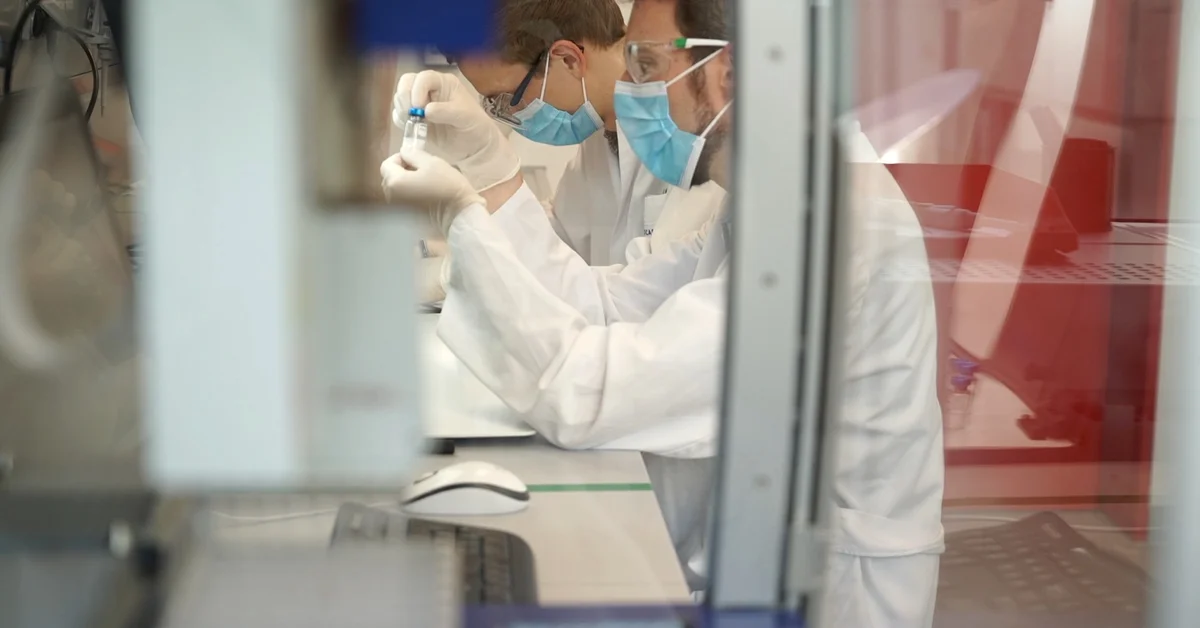
Is the cold chain dictating your biologic's stability and budget? Failed stability tests mean costly delays and wasted resources. Discover how freeze-drying can ensure ambient stability and eliminate these risks.
Menu
Is Your Biologic’s Stability Dictated by the Cold Chain?
The High Cost of a Failed Stability Test
Move Forward with Confidence[33, 34]
Is Your Biologic’s Stability Dictated by the Cold Chain?
What if you could eliminate cold-chain dependency for your biologic or vaccine, ensuring stability from manufacturing to the last mile? The pharmaceutical cold chain costs a staggering $35 billion a year when it fails, with some reports suggesting nearly 50% of vaccines are wasted due to improper temperature management. If you're a Director of CMC or Drug Product Development, these aren't just numbers; they're direct threats to your timeline, budget, and the success of your therapy.
The High Cost of a Failed Stability Test
You have optimized the molecule and navigated the complexities of upstream processing. Now, the stability of your drug product becomes the critical bottleneck. Biologics are super sensitive. Temperature changes, pH shifts, and even physical stress can mess them up, causing them to clump, break down, and lose their effectiveness. Every time a stability test fails under ICH rules, you're looking at months of delays, pushing back your IND submission and burning through valuable resources.[2, 3, 4]
The cold chain's logistics just make things harder. Keeping products at 2-8°C, or even -80°C for advanced stuff like mRNA, costs a lot and comes with big risks. These strict temperature rules make transport tough, raise the chance of losing products due to temperature changes, and limit who can get them, especially in places without good infrastructure. Your team has to put together a solid CMC story for investors and regulators, all while dealing with a supply chain that's pricey and full of potential screw-ups.[6, 8]
An Action Plan for Ambient-Temperature Stability[6, 8]
Using advanced formulation development like lyophilization (that's freeze-drying) is a proven way to make your product stable without needing the cold chain. By taking out water in a controlled way, freeze-drying keeps large molecules intact, makes them last longer, and allows them to be stored at room temperature.
Quick Facts:[10]
Lyophilized drug approvals have increased by an average of 15% over the past decade.
From 2012 to 2022, 336 lyophilized drugs were approved, representing 59% of all such filings since 1954.
Proper formulation can extend a biologic's shelf life from 12 months to over 36 months.
Here's a smart, science-first way to get a stable, freeze-dried drug product ready for IND submission and beyond.[4]
1. Predict Developability with an AI-Guided Platform
You don't start with endless trial-and-error in the lab. You start with predictive modeling. By looking at your molecule's amino acid sequence and structure, AI-powered platforms can spot weaknesses that might cause clumping and breakdown. This data-driven method lets you smartly check a huge library of excipients—such as cryoprotectants and lyoprotectants such as sucrose and trehalose—to create a formula with the best chance of working. This predictive step cuts down development time by zeroing in experimental work on the most promising formula options.[11, 15, 16]
2. Engineer a Robust, Scalable Lyophilization Cycle[19, 20]
Once you've found a good formulation, the next step is designing the freeze-drying cycle. This is a super careful, three-stage process that follows Quality by Design (QbD) principles.
Freezing:[21, 22, 23] This first step is crucial for setting up the ice crystal structure, which affects how well the next drying steps work.
Primary Drying (Sublimation):[10] Under vacuum, heat is gently applied to the shelves, making the frozen water turn straight into vapor, skipping the liquid stage. Careful control of temperature and pressure is key to stop the product from collapsing.[10]
Secondary Drying (Desorption):[26] Any remaining water molecules are taken out at a slightly higher temperature, leaving you with a final product that usually has 1-5% moisture left.
This organized approach makes sure the final freeze-dried cake looks good, mixes back into liquid quickly, and keeps the biologic strong.[10] The data you get becomes a super important part of the CMC package for regulatory submissions.[23]
3. Deliver an IND-Ready, Room-Temperature Optimized Product[27, 28]
What you get is a drug product that's much more stable to heat, so it can be stored and shipped at room temperature. This totally de-risks your supply chain, cuts down shipping costs, and opens up possibilities for getting it all over the world.[29, 7] For your CMC submission, you'll have a complete data package showing a well-understood, controlled, and repeatable manufacturing process that guarantees product quality and stability.[29, 7]
One team, after using a predictive formulation platform, managed to stabilize their main AAV candidate at room temperature. This removed its need for the super-cold chain and sped up its journey to clinical trials.[31, 32]
Move Forward with Confidence[33, 34]
Your journey to a stable, scalable, and successful biologic doesn't have to be bogged down by stability failures and cold-chain headaches. By using a data-driven, systematic way to freeze-dry, you can take charge of your CMC timeline and cut down on big risks.
Grab a strategy call with our formulation experts. We'll help you speed up your CMC, lower risk, and nail your IND submission.
Accelerate Your CMC
IND-ready · De-risked · Scale-tested · Room-temp optimized · No guesswork