development-of-stable-multi-dose-formulations
Struggling with multi-dose formulation stability due to preservatives and slow screening? De-risk your development timeline and achieve a strategic advantage with a data-first approach. Read on to learn more.
Menu
Beyond the Single Vial: De-Risking the Development of Stable Multi-Dose Formulations
A Data-Driven Action Plan for Multi-Dose Success
Beyond the Single Vial: De-Risking the Development of Stable Multi-Dose Formulations
What if you could improve patient access and reduce healthcare costs with a multi-dose formulation, all without introducing months of stability risks and regulatory uncertainty into your CMC timeline? For many drug product leaders, the perceived trade-off between convenience and complexity has made multi-dose biologics a daunting challenge. But a data-first, predictive approach can turn this high-risk bottleneck into a strategic advantage.
You have invested years and significant capital to identify and optimize a promising biologic. Now, the pressure is on to finalize a formulation that is not only stable and effective but also meets the demands of patients and providers. Multi-dose vials offer clear benefits: less packaging, reduced waste, and more flexible dosing [1, 2]. These advantages come with a formidable technical hurdle: the need for antimicrobial preservatives.
The introduction of preservatives creates a new, complex stability puzzle. These agents are necessary to prevent microbial growth in vials accessed multiple times, yet they are notoriously harsh on biologics. Common preservatives like m-cresol and benzyl alcohol can interact with your molecule, triggering partial unfolding, aggregation, and the formation of sub-visible particles that compromise safety and efficacy [3, 4, 5, 6].
This forces your team into a cycle of slow, resource-intensive screening studies. Each preservative candidate requires a new stability run, consuming precious time and expensive drug substance. A failed screen can mean a three-month delay, pushing your IND submission window further out and adding pressure from stakeholders. You are caught between the need for microbial integrity and the imperative to protect your molecule’s structure—a conflict that puts your entire development timeline at risk.
A Data-Driven Action Plan for Multi-Dose Success
Instead of reacting to stability failures, you can proactively design a robust formulation that anticipates and solves these challenges from the start. A modern, technology-driven workflow transforms multi-dose development from a game of chance into a precise, engineering-led process.
1. Predict Stability with High-Throughput Screening and AI
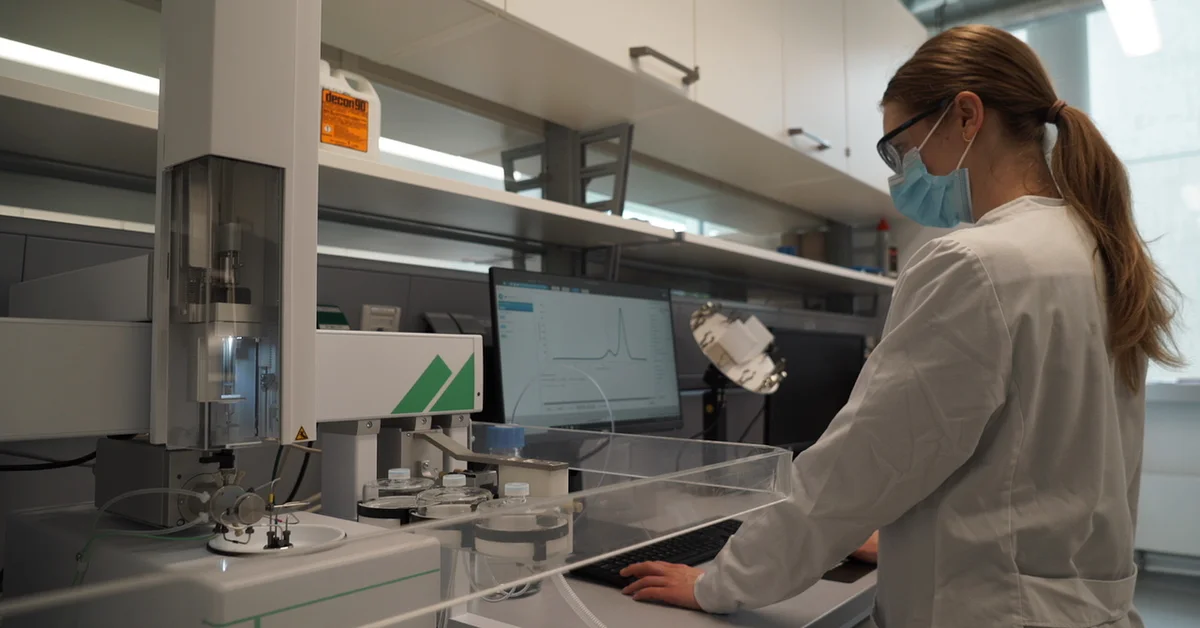
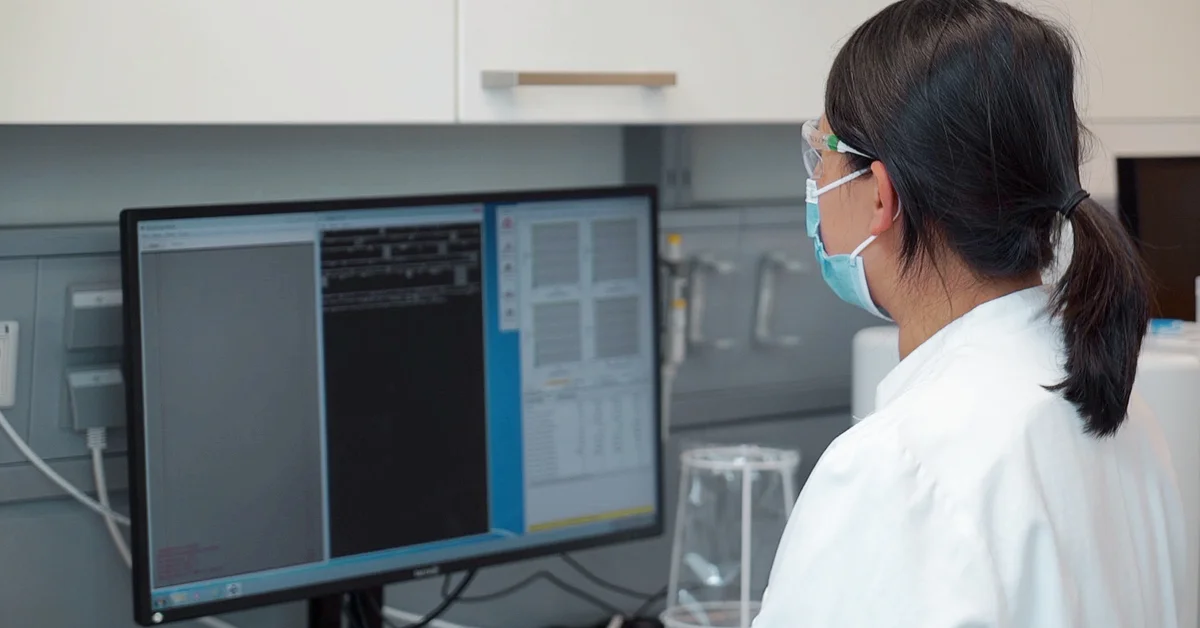
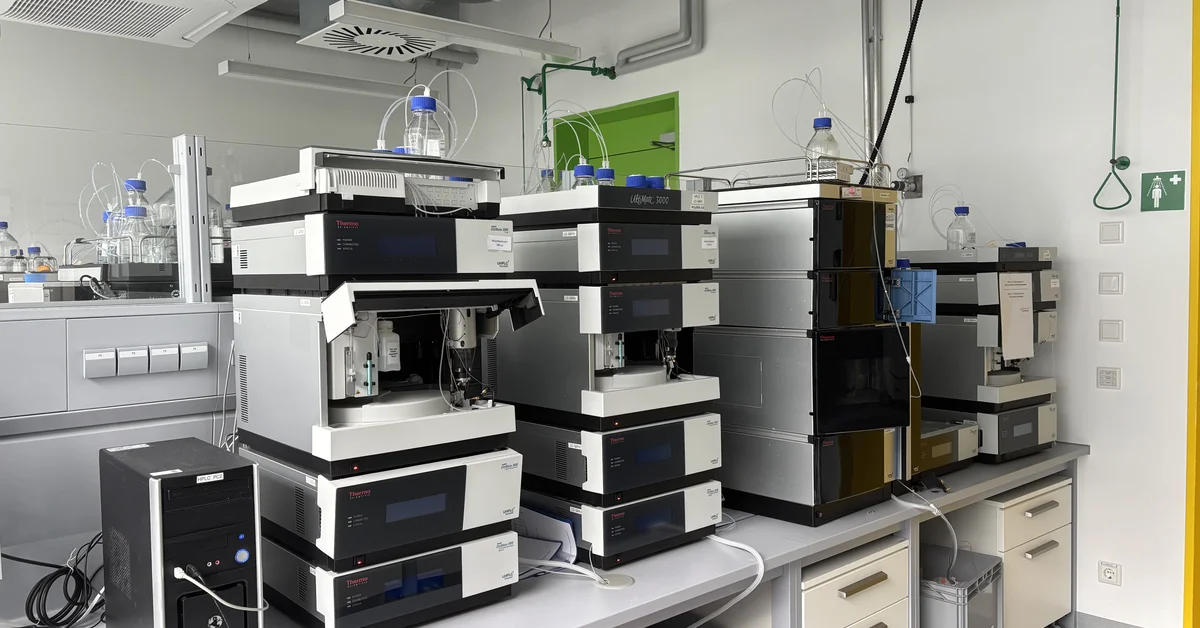
The traditional "test-and-see" approach to formulation is no longer sufficient. Using advanced analytics and predictive modeling, you can screen many preservative and excipient combinations quickly. This begins with a thorough AI-based developability assessment for biologics, which identifies potential liabilities in your molecule's structure. This data informs a high-throughput screening process that rapidly pinpoints the optimal pH, buffers, and stabilizers that protect your molecule in the presence of a preservative. This accelerated workflow identifies viable, stable formulation candidates in weeks, not months.
2. Engineer for Robustness Beyond the Cold Chain
A successful formulation is not just one that passes initial tests but one that remains stable under real-world conditions. The goal is to create a product that minimizes reliance on a costly and complex cold chain. This requires a strategic excipient optimization strategy to maximize thermal stability. For sensitive biologics, freeze-drying offers a great way to get long-term stability. A well-designed freeze-drying process can create a robust product that is easily reconstituted, and expert lyophilization cycle development and optimization services can ensure the process is efficient and scalable.
3. Deliver a Data Package Built for Regulatory Scrutiny
Your success depends on a CMC package that withstands regulatory review. The output of a data-driven process is more than a stable liquid; it is a comprehensive, IND-ready data package. This includes complete stability and compatibility data, a clear scientific rationale for your formulation choices, and robust documentation framed within a Quality by Design (QbD) framework. Using a structured Design of Experiments (DoE) approach gives you the data you need to back up your formulation strategy and make approval easier. For organizations looking to streamline this entire process, engaging a partner for strategic biopharmaceutical contract development can provide critical expertise and capacity. For highly complex molecules like bispecifics, special techniques are crucial. For example, focusing on lyophilization cycle development for bispecific antibodies can be the key to a successful product.
Quick Facts: Multi-Dose Formulation Challenges
The Challenge: Common antimicrobial preservatives can induce protein aggregation and particle formation, creating significant safety and efficacy risks [3, 4, 6].
The Solution: Predictive modeling and high-throughput screening can reduce formulation development timelines by identifying compatible preservative-excipient systems upfront.
The Outcome: We have delivered over 350 stable biologic formulations, many optimized for multi-dose, high-concentration, and ambient-temperature applications.
One team developing a monoclonal antibody struggled with persistent aggregation when using m-cresol as a preservative. Traditional screening methods failed to find a solution. Using our predictive modeling platform, we quickly found a new combination of stabilizers that completely stopped aggregation. The result was a formulation with a projected 24-month stability profile at 2-8°C, providing a clear and de-risked path to IND filing.
Stop balancing patient convenience against molecular stability. Base your multi-dose formulation on predictive data and regulatory insights to speed up your timeline and move forward with confidence.
Schedule a strategy call with our formulation experts: accelerate your CMC timeline, reduce stability risks, and secure your path to the clinic.
Contact Our Experts
IND-ready · De-risked · Scale-tested · Preservative-compatible · No guesswork